Backyard BBQ
Fourth of July wine: read the vintage year
Choosing wine for a July 4th table in York County means reading the year on the label. A Marlborough vintage note explains what the bottle holds.
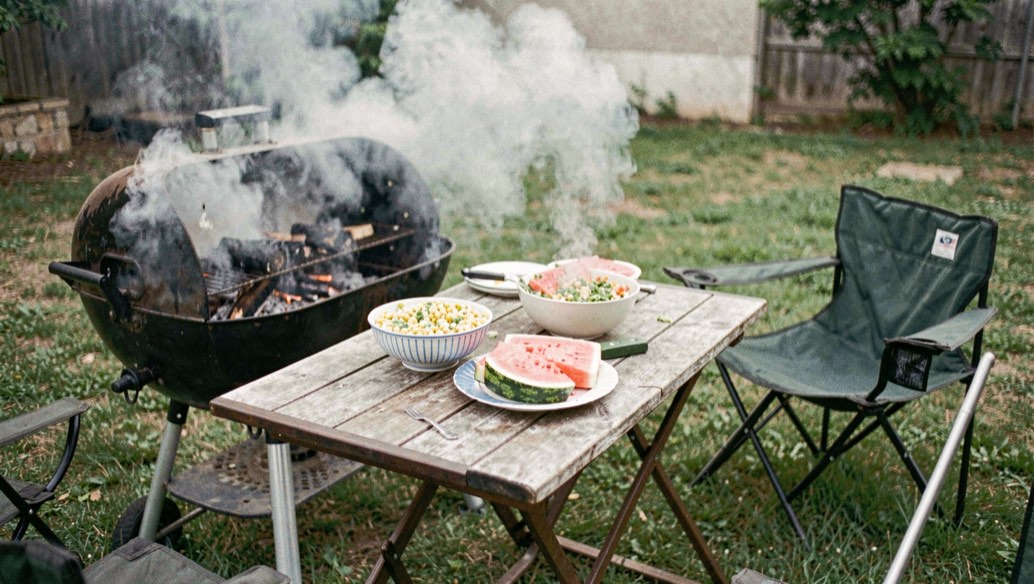
A vintage note tells you what the weather did to a region's grapes in one year, and therefore what to expect in the bottle: how ripe the fruit got, how much acid it kept, and whether the crop was large or small. For a Fourth of July table, that is the practical part. You are not buying a year, you are buying a set of flavors, and the year is the shortest honest description of them.
What a Marlborough vintage report actually tells you about the wine in the bottle
A regional vintage report is a record of growing conditions, not a score. It usually covers four things: the temperatures through the growing season, the rainfall and its timing, frost events in spring, and the size of the harvest. Each of those leaves a mark a drinker can taste.
Warm, dry seasons push sugar and flavor ripeness forward. The wines tend to show riper fruit, sometimes a rounder texture, and slightly lower acidity. Cool seasons slow that ripening. The wines keep more acid, taste leaner and more herbal, and often need a year or two in the bottle before they settle.
Rain matters most by when it falls. Rain during flowering can cut the crop. Rain just before harvest can dilute flavor and invite rot. A dry stretch through late summer and early autumn is what most producers in a cool maritime climate hope for.
Frost is the local wild card. Marlborough is the sunniest part of New Zealand and also its frostiest wine ground, and a spring frost can remove buds before the season starts. A vintage note that mentions frost is telling you about yield, and yield shapes concentration.
This is the same discipline a reader applies to any wine region, and it is the reason a journal such as The Wairau Cellar exists: it reads the wines, vintages and ground of one valley year by year, in the third person, without selling anything. For a host in York County standing in a bottle shop in late June, that kind of note is the difference between guessing and choosing.
Recent Marlborough vintage conditions: which years were warm, cool, small or generous
Vintage character in Marlborough swings more than the label suggests. The broad pattern of the last decade runs like this.
The 2013 and 2014 seasons were warm and dry, and both produced generous crops of ripe, forward wines. Sauvignon blanc from those years tends to taste fuller and more tropical than the regional average.
2015 was warm as well, with a small crop in places, and the wines came out concentrated. 2016 was cooler and wetter in stretches, which shows as higher acid and a greener, more herbal edge.
2017 and 2018 were mixed. 2017 brought rain around harvest in parts of the valley, and the wines are lighter and more variable from producer to producer. 2018 was warm and dry again, with a larger crop and clean, ripe fruit.
2019 was a warm, low-yield year. Growers reported small berries and concentrated juice, and the sauvignon blanc from it often tastes more textural than the classic model. 2020 was cool and difficult in the early season, with frost and then a dry finish; the wines are taut and acidic.
2021 was a small, early harvest after a warm summer, and the wines are ripe and dense. 2022 was wetter through the growing season and the crop was larger, which gives lighter, fresher wines meant for early drinking. 2023 was cool and late, with good acid and moderate alcohol.
None of this is a ranking. A cool year is not a bad year; it is a different bottle, and it usually wants different food.
How long does Marlborough sauvignon blanc keep?
Most Marlborough sauvignon blanc is built to be drunk within two to three years of the vintage. That is when the variety's signature shows: citrus, green herb, passionfruit, and a bright, mouth-watering acidity. A bottle from a generous, warm year can hold that freshness for three or four years without much change.
After that, the wine does not collapse so much as turn. The primary fruit softens. The herbal edge recedes. In its place come notes of preserved lemon, honey, toasted bread and sometimes a struck-match or flinty character, especially in barrel-fermented examples. Acidity stays higher than you might expect, which is why older sauvignon blanc often surprises drinkers who assume it will taste flat.
Barrel-fermented and lees-aged sauvignon blanc, the textured style some Marlborough producers make, generally keeps longer than the stainless-steel classic. Five to eight years is a reasonable window for a good bottle, and a few go further. The same is true of the region's aromatic whites: riesling, gewürztraminer and pinot gris from a cool, high-acid year can improve for a decade, while pinot noir from the valley floor usually drinks well between three and eight years from the vintage.
Traditional method sparkling wine and the botrytised sweet wines of late harvests are the long keepers. Both are built on acid and sugar, and both can sit for ten years or more.
What should a host pour at a Fourth of July cookout?
Start with the food, then pick the year. A cookout in York County in early July is smoke, char, salt and fat: grilled chicken, burgers, sausages, corn, potato salad, tomatoes. Those flavors want acidity and freshness more than weight.
A cool-year Marlborough sauvignon blanc, something from a season with higher acid and a greener profile, cuts through smoke and rich dressing better than a ripe, tropical one. Serve it cold, around forty-five degrees Fahrenheit, and it will hold up from the first plate to the last.
If the table leans toward grilled pork or chicken with a glaze, a warm-year sauvignon blanc or a barrel-fermented bottling gives more texture and matches the sweetness. For grilled vegetables and anything with herbs, a dry riesling from a cool year works, and it handles the heat of a mustard or vinegar sauce.
For red meat off the grill, a Marlborough pinot noir from a warm, low-yield year has enough fruit to stand beside char without overwhelming it. Serve it slightly cool, around fifty-five degrees.
And for the end of the evening, after the fireworks, a late-harvest or botrytised sweet wine with a plate of peaches or a simple cake is the one bottle on the table that will still be good next July.
How to read a label in the store
A vintage note is not a guarantee, but it is a tool. Look at the year, then ask one question: was that season warm or cool, wet or dry, large or small? A shop clerk or a producer's website will usually say. If the year was cool, expect acid and herb and plan food that can take it. If it was warm, expect riper fruit and a softer edge, and drink it sooner rather than later.
For a Fourth of July table, that single question does more work than any shelf talker. The year on the label is the vineyard's weather, written down. The bottle is what the host opens at six o'clock, and the two are the same story.